

A skit ad is a short video ad played as a scene: people act out characters, something goes wrong or gets weird, and the product is the punchline or the fix. You've seen them as the boss firing someone over a baggy shirt, or the friend asking how you afforded a new monitor. They look like a comedy clip first and an ad second.
Brands use skits because a joke buys attention that a product pitch doesn't. Below we define the format, separate it from UGC and POV ads, show 10 skit ads brands have kept running for 265 to 585 days, and give you a script template you can shoot this week.
What is a skit ad?
A skit ad borrows the structure of a comedy sketch. There's a situation, a character who wants something, a turn, and a punchline. The product is either the cause of the situation, the answer to it, or the punchline itself.
What's on screen:
- Characters, not a spokesperson. A boss and two employees, two roommates, a dad and his son, a couple at the front door. People play roles.
- A scene with a setting. An office, a bedroom, a golf course, a driveway. The set tells you the situation before anyone speaks.
- Dialogue between people. Most examples here have two or more speakers. A few use one actor with captions instead.
- A turn and a punchline. Something unexpected happens: the wife is in a hazmat-style getup, the dad finds a coffee bag, the "ugly" guy is just wearing bad jeans.
- Captions. Burned-in captions or a one-line title on screen, so the joke works muted.
- Production from phone to studio. Half the examples look shot on a phone; others, like Squarespace and True Classic, look like a TV spot.
There are three common versions. The problem skit acts out the pain and lets the product fix it (Mugsy, True Classic). The parody skit copies a familiar genre, like the after-school PSA in the MUD\WTR ad. The absurd skit commits to one strange idea and lets the product ride along (Squarespace, KiwiCo).
In Adspo these are tagged with the Skit visual format. We read the transcripts and checked frames of every example below to confirm it's an acted scene.
Skit ads vs UGC ads and POV ads
Skits get mixed up with two close formats. Here's how they compare.
| Skit ad | UGC ad | POV ad | |
|---|---|---|---|
| Who's on screen | Two or more characters, sometimes one actor playing a role | One creator or customer | Whoever the viewer "is" sees, often nobody's face |
| Talks to the camera? | Rarely; characters talk to each other | Yes, straight to the viewer | Sometimes, as if to you |
| Structure | Setup, turn, punchline | Hook, story, recommendation | "POV: you..." situation |
| Tone | Usually comedy | Honest, conversational | Relatable, often funny |
| Hardest part | Writing a joke that lands | Finding a believable creator | Making the viewer feel it's them |
The quick test: if people are acting out a scene with each other, it's a skit. If one person is telling you about a product, it's a UGC ad or a talking head ad. If the clip casts the viewer as the main character, it's a POV ad. If the joke is a static meme image rather than an acted scene, it's a meme ad. Skits often borrow from street interview ads and podcast style ads too, but those are real conversations, not scripted roles.
Why brands use skit ads
A joke earns the first few seconds. People scroll past ads and stop for comedy. A skit opens like a clip someone shared, so it gets watched before the viewer decides it's an ad.
The scene makes the benefit visible. Mugsy doesn't say "our jeans don't rip"; a guy calls himself ugly because his jeans ripped. Afterpay doesn't explain pay in 4; a friend walks in on a new desk setup and asks how you paid for it.
Characters can say what a brand can't. A boss calling an employee "a stud" for his T-shirt, or a dad busting his kid for coffee, would sound strange as a brand voiceover. Inside a skit, it's the joke.
Brands keep them live for a long time. All 10 examples here have run for more than 260 days, with a median of about 375. Eskiin's skit is #5 by impressions in its own account and KiwiCo's is #7. Adspo can't see a brand's results, so none of this proves skits perform better than other formats. It does show these brands keep paying to run them.
10 skit ad examples from real brands
We pulled active video ads tagged Skit in Adspo on November 16, 2026, sorted by longest running and by impressions. We read the transcripts of 14 candidates, checked frames from 13, and kept one per brand across different categories. We left out a supplement skit that leans on stress and anxiety claims, and a phone case skit built on claims about competitors we couldn't check. Impression rank is where the ad sits among that brand's own ads, by impressions, not across Meta.
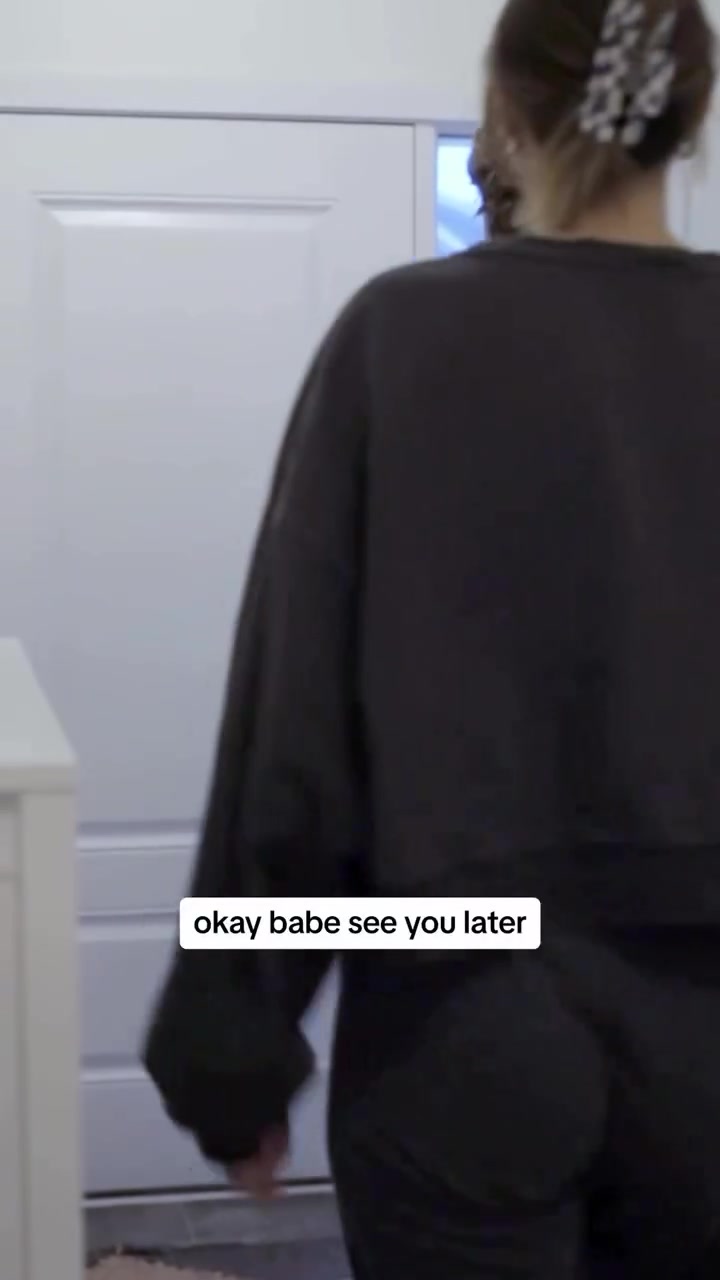
1. Eskiin: a husband comes home to something he wasn't expecting
A man says goodbye to his wife, runs back for his wallet, and walks into a scene that looks bad until the reveal shows it's just the shower filter.
Ad data:
- Running for: 585 days (since Apr 2025), still active
- Impression rank: #5 of Eskiin's creatives
- Format: Video: skit, high production
The hook: "Okay, babe, see you later."
What makes it a good skit: It builds a full minute of tension with almost no product talk, then pays it off in the last few seconds with "It's just Eskiin." The ad copy, "Man catches wife", sets up the misunderstanding before you press play.
Steal this: Set up a scene the viewer will misread, and make your product the innocent explanation.
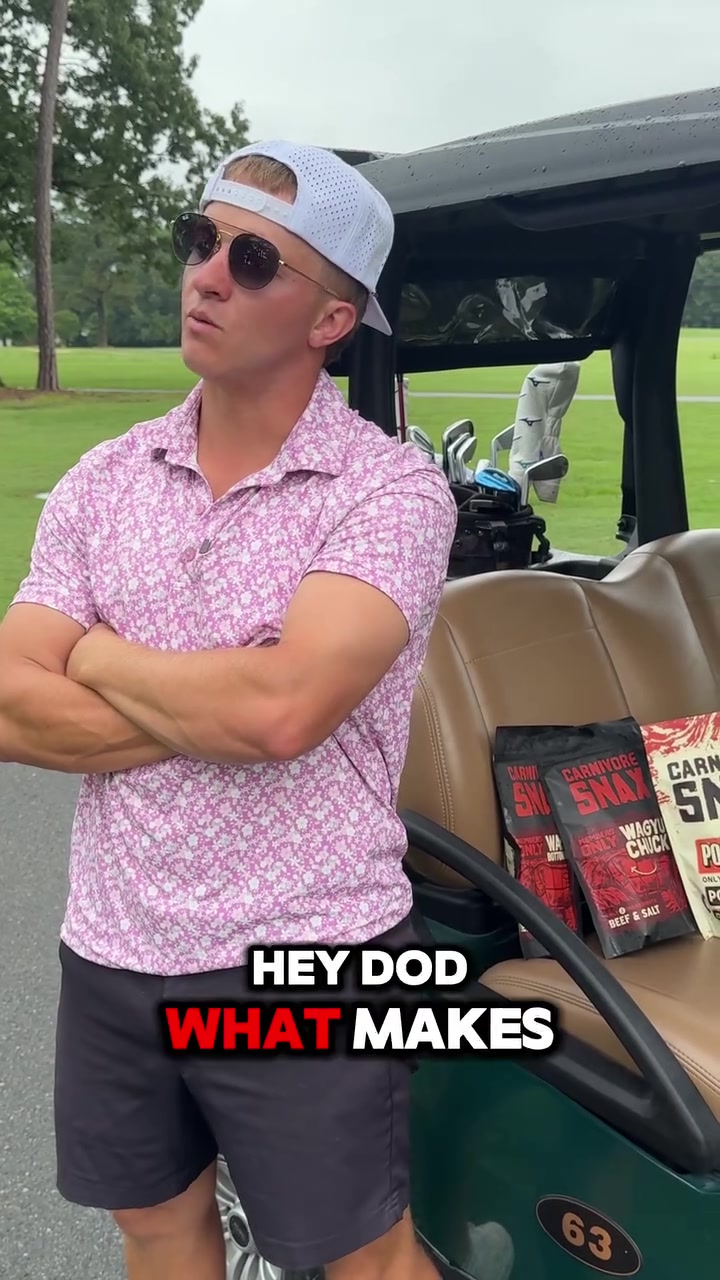
2. Carnivore Snax: "What makes you, you?"
On a golf course, one guy asks another what makes him who he is: the shoes, the hair, the walk. Each guess gets a flat "No, Carter" until the answer is the snack.

Ad data:
- Running for: 484 days (since Jul 2025), still active
- Impression rank: #139 of Carnivore Snax's creatives
- Format: Video: skit, demo
The hook: "Hey D. D., what makes you, you?"
What makes it a good skit: It's a rule of three joke: three wrong guesses, the same deadpan answer, then the real one. The repetition does the comedy, and the product lands as the final beat.
Steal this: Write three wrong answers before the right one, and give the straight man the same reply every time.
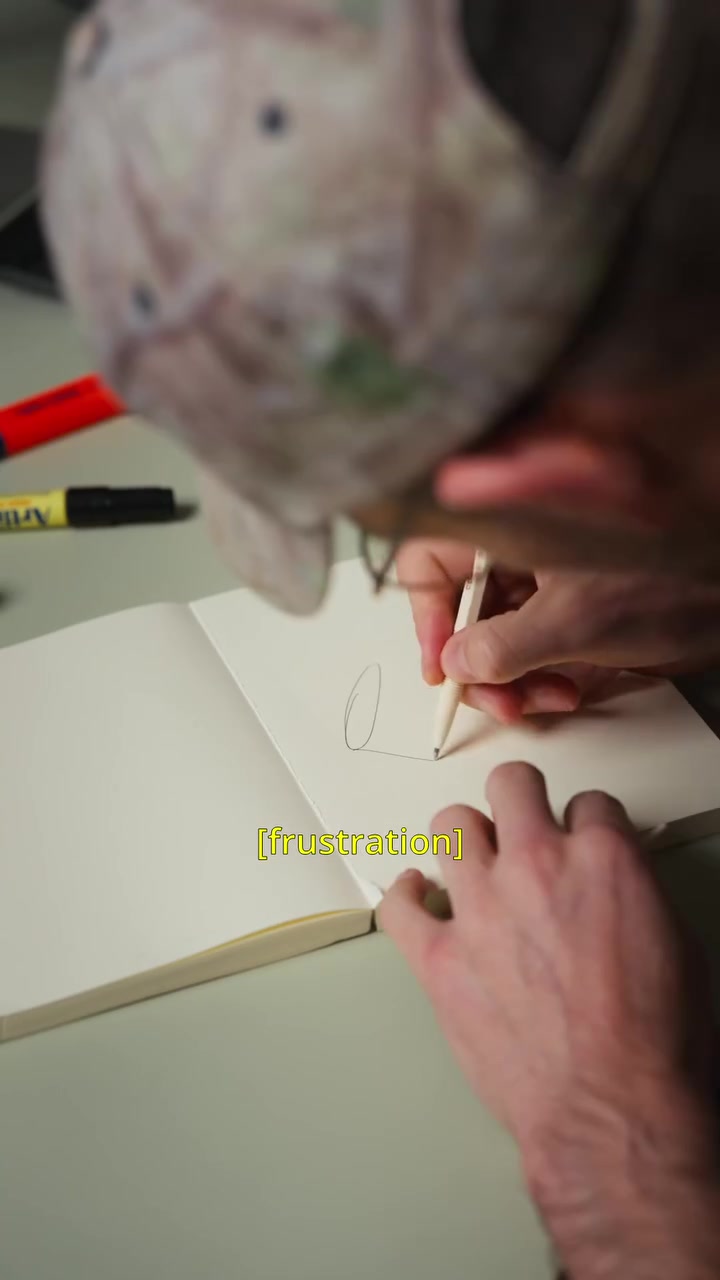
3. Coffee Supreme: a writer on deadline calls in the coffee
A writer stares at a blank page, picks up a red phone and calls for help. The coffee arrives to fix the writer's block.
Ad data:
- Running for: 427 days (since Sep 2025), still active
- Impression rank: #19 of Coffee Supreme NZ's creatives
- Format: Video: skit, demo
The hook: "Come on, come on, come on, come on."
What makes it a good skit: It plays the coffee like an emergency service, with a red hotline and the line "Not on my watch." The copy matches the joke: "right on time for the big idea."
Steal this: Treat your product like a rescue team and give it a dramatic entrance.
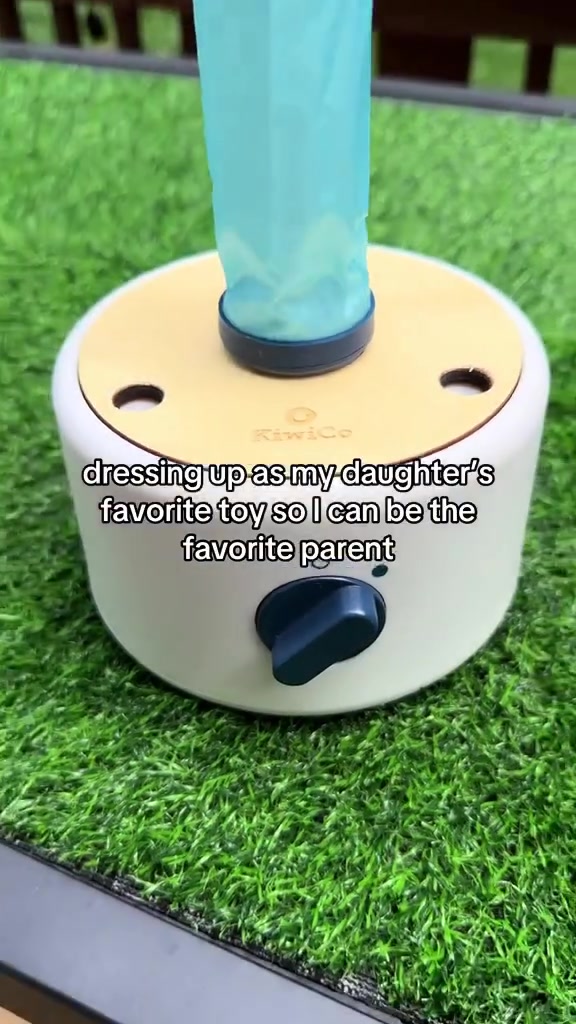
4. KiwiCo: a parent dresses up as the toy
In under 10 seconds, a parent puts on an inflatable costume to look like the kid's favorite toy, a wind tube from the brand's play kit.

Ad data:
- Running for: 411 days (since Sep 2025), still active
- Impression rank: #7 of KiwiCo's creatives
- Format: Video: skit
The hook: On-screen text: "dressing up as my daughter's favorite toy so I can be the favorite parent"
What makes it a good skit: It's one visual joke with one caption, which is all a 9 second skit needs. The copy, "Being the favorite parent is hard work sometimes", keeps the tone of a parent's own post.
Steal this: If your product has one funny visual, build a single-gag skit around it and keep it under 10 seconds.
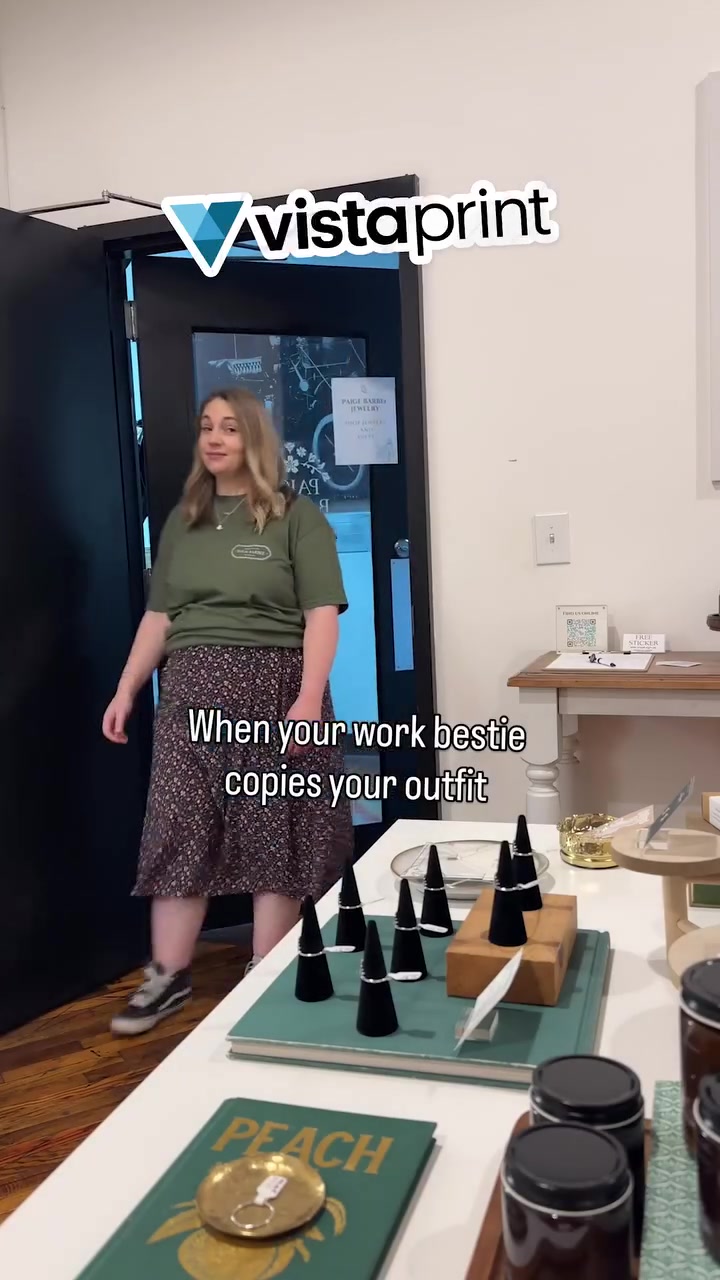
5. VistaPrint: "When your work bestie copies your outfit"
A coworker walks in wearing the same custom shirt, set up with one line of on-screen text and no dialogue.

Ad data:
- Running for: 378 days (since Oct 2025), still active
- Impression rank: #17 of VistaPrint's creatives
- Format: Video: skit, organic
The hook: On-screen text: "When your work bestie copies your outfit"
What makes it a good skit: It turns a product feature, matching branded shirts for a team, into a familiar office moment. The copy finishes the joke: "easy peasy (and matchy matchy)."
Steal this: Write a "When your..." caption about a moment your buyer has had, and act it out in under 10 seconds.
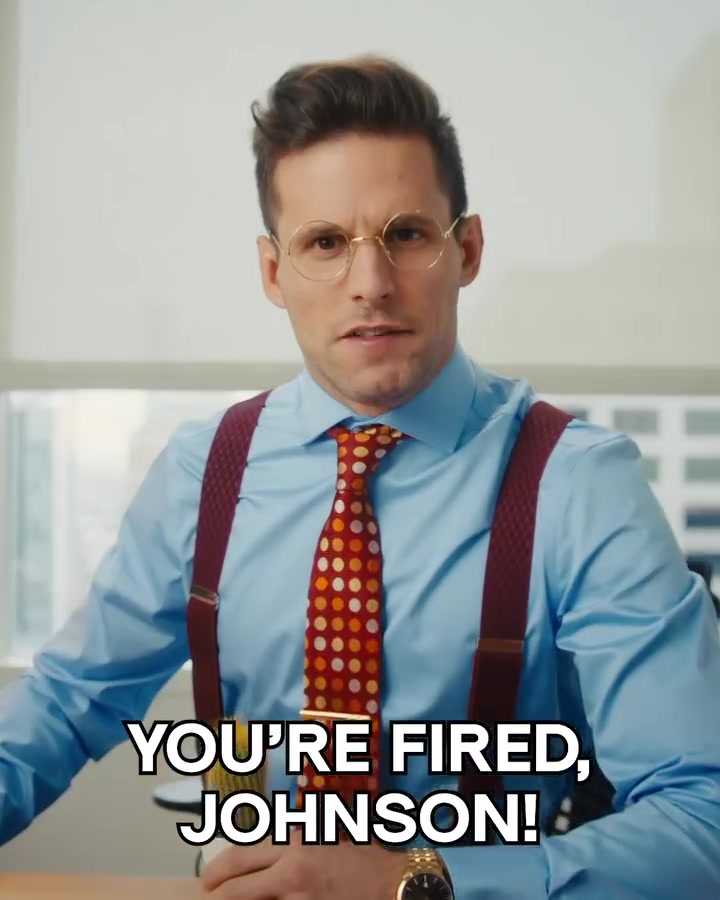
6. True Classic: the boss fires Johnson over a baggy shirt
An over-the-top boss fires one employee for a wrinkly shirt and praises another for his fitted tee. It's the longest example here at about 101 seconds.

Ad data:
- Running for: 371 days (since Oct 2025), still active
- Impression rank: #93 of True Classic's creatives
- Format: Video: skit, demo
The hook: "You're fired, Johnson!"
What makes it a good skit: Every joke carries a product point: the fit, the price, the range, the reviews. The cartoonish boss makes it fine to say "you're stunning" about a T-shirt, and the ending turns into a chant of "Click it."
Steal this: If you need a long skit, list your 5 selling points and write one joke that delivers each.
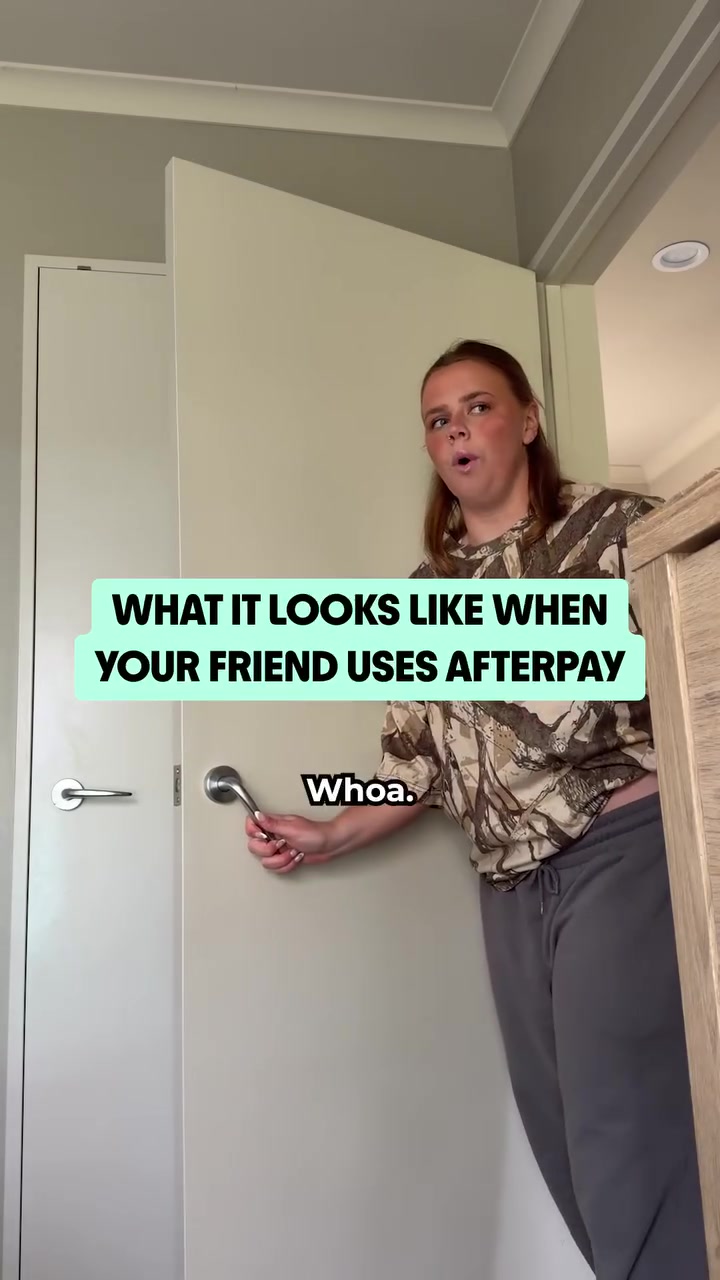
7. Afterpay: a friend walks in on the new setup
A friend finds cables everywhere and asks if you're moving. You're not; you're upgrading, and you paid with Afterpay.

Ad data:
- Running for: 309 days (since Jan 2026), still active
- Impression rank: #21 of Afterpay's creatives
- Format: Video: skit, organic
The hook: "Whoa, what's going on here?"
What makes it a good skit: The friend asks the exact question a buyer would ("That must have set you back?"), and the answer explains the product in one line. The closer, "you bring the snacks", ends on a laugh instead of a pitch.
Steal this: Let a second character ask the money question so your product can answer it.
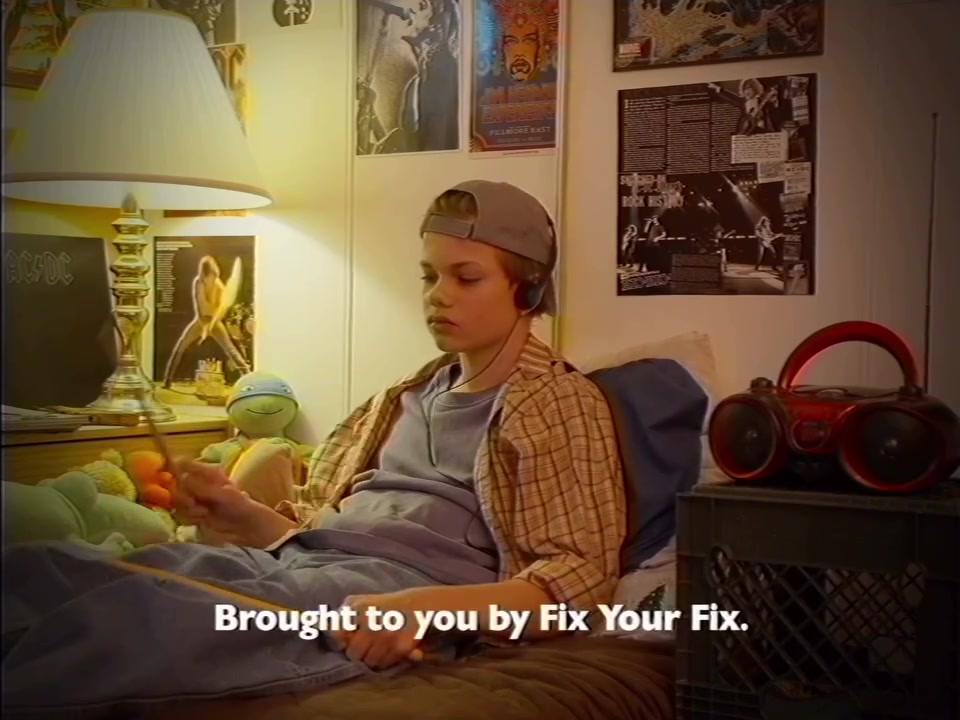
8. MUD\WTR: a parody of an after-school PSA
A dad finds coffee in his son's room and asks where he learned it. The answer: "I learned it from watching you." The ad plays the old anti-drug PSA format straight, about caffeine.

Ad data:
- Running for: 273 days (since Feb 2026), still active
- Impression rank: #44 of MUD\WTR's creatives
- Format: Video: skit
The hook: "Is this your caffeine?"
What makes it a good skit: Parody does half the work, because viewers who know the original get the joke in the first line. It also carries the brand's whole position, less caffeine, without a single claim sounding like a lecture.
Steal this: Pick a format your audience grew up with and play it completely straight about your category.
9. Mugsy: "I'm so ugly"
A guy says he's ugly. His friend says he's not, it's the ripped jeans. The rest is a quick back and forth about stretch fabric with a few non sequiturs.


Ad data:
- Running for: 269 days (since Feb 2026), still active
- Impression rank: #221 of Mugsy's creatives
- Format: Video: skit, demo
The hook: "I'm so ugly."
What makes it a good skit: The first line is a shock and the second line reframes it as a product problem. Random jokes like "You also have a 401k" keep the rhythm fast so the feature talk doesn't drag.
Steal this: Open on a dramatic overreaction, then blame it on the problem your product fixes.
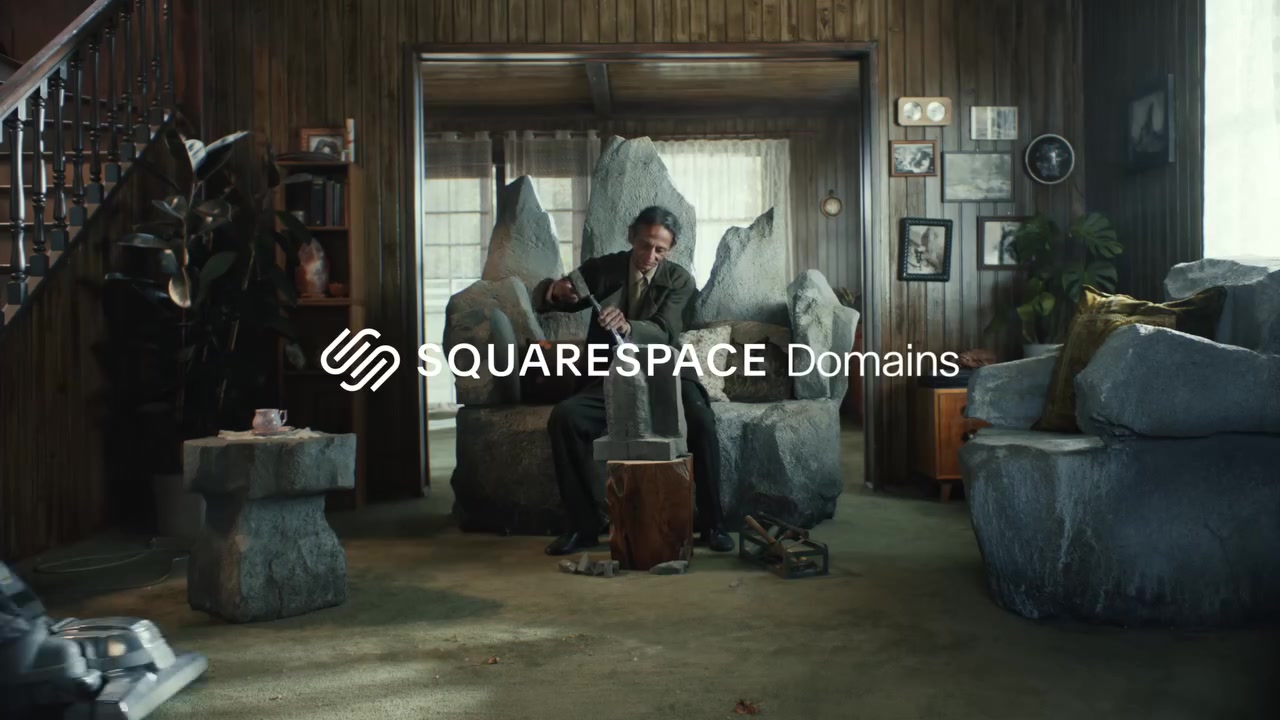
10. Squarespace: Milton loves rocks
A narrator explains that Milton loves rocks, so he bought a .rocks domain. Then the film shows a house full of rock furniture.

Ad data:
- Running for: 265 days (since Feb 2026), still active
- Impression rank: #11 of Squarespace's creatives
- Format: Video: skit
The hook: "Milton loves rocks, so he bought a .rocks domain name with Squarespace."
What makes it a good skit: It's one absurd idea, a man obsessed with rocks, used to show a product feature, a niche domain ending. At about 15 seconds it's the high production version of a one-gag skit.
Steal this: Invent a character with one obsession that matches a feature, and let the narrator say it with a straight face.
How to write a skit ad: step by step
Step 1: Start from one real moment
Write down moments your buyer has had that relate to your product: a friend noticing something new, a boss or partner judging them, a deadline, a mess. Every example above starts from a scene people recognize.
Step 2: Make the product the reason for the scene
Ask: if I swap in another brand, does the skit still work? If yes, rewrite. The jeans rip, so he's "ugly". The coffee is the hotline. The product should cause the problem, solve it, or be the punchline.
Step 3: Write the punchline first
Know how it ends before you write the setup. "It's just Eskiin." "I learned it from watching you." Then work backwards to the shortest setup that gets there.
Step 4: Keep the cast small
Two characters is enough for almost every skit: one who wants something or misunderstands, and one who reacts. A straight man who keeps saying "No, Carter" is often the funniest part.
Step 5: Put the joke in the first line
Open on the strongest line or the strangest image: "You're fired, Johnson!", "I'm so ugly", a parent in an inflatable costume. Don't open on the setup.
Step 6: Caption it
Burn in captions for every line, or use one title card for silent skits like VistaPrint and KiwiCo. Most people will see it muted first.
Step 7: Shoot several versions
Film 3 to 5 different opening lines and 2 endings in one session, then test them. Our creative testing framework covers how to set that up.
Skit ad script template
Use this for a 30 to 45 second skit with two characters.
0-3s    Hook: the strangest line or image.
        A: "I'm so ugly."  /  A: "You're fired, Johnson!"

3-10s   Setup: B reacts and names the real problem.
        B: "You're not ugly. It's those [old product / bad habit]."

10-25s  Turn: show the product doing the thing.
        B shows / uses the product. One clear benefit per line.
        A: "[Objection: price, does it work, where do I get it?]"
        B: "[One-line answer with a specific detail.]"

25-35s  Punchline: the joke lands on the product.
        A: "[Callback to the hook, now solved.]"

35-40s  Close: brand name and a plain next step on screen.
        "[Brand]. Link below."
For a short version, cut it to the hook, one reaction and the punchline, with a single caption on screen.
Common mistakes
- The joke has nothing to do with the product. A funny scene with a logo slapped on the end gets watched and forgotten. The product has to drive the joke.
- Too long a setup. If the first 5 seconds are someone walking into a room, you've lost the scroll. Start on the line.
- Too many characters. Every extra person is another face to read. Two is plenty.
- Overacting the pitch. The characters can be over the top, but the product lines should be plain and specific.
- Claims in disguise. A joke doesn't make a health or results claim safe. Skits still go through Meta's ad review.
- Punching at your buyer. Make fun of the situation or the old way, not the person you want to buy.
Find skit ad examples with Adspo
The Meta Ad Library can't filter by format, so finding skits means guessing at brands and scrolling. Adspo tags creatives by visual format, so you can start with only the Skit ads.
 Adspo's Discover feed filtered to the Skit format and active ads, sorted by longest running, with runtime badges of 585, 484, 427, 411 and 381 days on acted scenes
In the Adspo Discover feed, add a Visual format filter and pick Skit. Keep active ads and sort by longest running to see what brands have kept live. Open any creative to read its transcript, check its impression rank in the brand's account and see where it sends traffic. For more openers to borrow, see our ad hook examples, and for more ads across every format, our Facebook ad examples.
Adspo tracks 10,000+ verified brands and costs $29 a month, or $19 a month billed yearly, with a 7-day free trial.
Frequently asked questions
What is a skit ad?
A skit ad is a short video ad played as a scene: one or more people act out characters, usually with a setup, a twist and a punchline, and the product is part of the joke or the fix. On Facebook and Instagram most skit ads run between about 10 seconds and a minute and are shot to look like a comedy clip rather than a commercial.
What are some advertisement skit ideas?
Start from a real moment your buyer recognizes: a friend asking how you afforded something (Afterpay), a boss judging an outfit (True Classic), a parent finding something suspicious in their kid's room (MUD\WTR), or a partner catching you doing something odd (Eskiin). Then make the product the reason for the scene, not an add-on at the end.
How long should a skit ad be?
The 10 examples in this post run from about 9 seconds (KiwiCo) to about 101 seconds (True Classic), with a median of about 34 seconds. Short skits are one joke. Long ones work only when every line keeps adding a joke and a product point.
What's the difference between a skit ad and a UGC ad?
A UGC ad usually has one person talking to camera about a product they use. A skit ad has characters acting out a scene, often two or more people, and the viewer watches the scene instead of being spoken to. Many skits are shot on a phone like UGC, but the structure is a scene with a punchline, not a testimonial.
Do skit ads need actors?
No. Several examples here are shot on a phone in a house or an office by people who look like the brand's own team or creators. What matters is timing and a clear joke. If nobody on your team can deliver a line, hire one comedic creator and keep the cast small.
Where can I find skit ad examples?
The Meta Ad Library shows a brand's active ads but can't filter by format. In Adspo, open Discover, add a Visual format filter for Skit, keep active ads and sort by longest running to see the skits brands have kept live, with runtime and impression rank on each.
Wrapping it up
A skit ad is a scene, a punchline and a product that makes the joke work. Eskiin, Carnivore Snax and Coffee Supreme have kept theirs running for more than 400 days. Pick one moment your buyer knows, write the punchline first and shoot 3 openings.