

A creative testing framework is a repeatable system for deciding which Meta ads to make, how to test them and what to do with the results. It sets the order of tests (concept, then hook, then format), the budget and time each test gets, the metric that picks a winner, and a clear rule to scale, iterate or kill every ad.
This guide gives you a template you can copy, the 6 steps to run it, and real data from Adspo on how three top brands test right now: AG1, Hismile and Magic Mind. It builds on our guide to what creative strategy is, which covers how to pick the angles worth testing.
What is a creative testing framework?
Creative testing on Meta means running new ads to find which ideas bring the cheapest results. A framework turns that from guesswork into a process. Without one, teams change three things at once, call winners after a day and forget what they learned last month.
A good framework answers five questions for every test:
- What are we testing? One variable at one level: a new concept, a new hook on a proven concept, or a new format.
- Why do we think it will win? A one-line hypothesis.
- How will we run it? Where it lives, how much it spends and for how long.
- How will we judge it? The metric and the threshold that make it a winner.
- What happens next? Scale it, iterate on it or kill it, and log the result.
Meta's automated campaigns now handle much of the targeting, so the ad itself does more of the work of finding the right buyer. That makes a steady testing process one of the few levers a brand fully controls.
What a good creative testing framework includes
Every test in the framework moves through the same fields. Here's what each one means:
- Test level. Concept (a new angle or promise), hook (a new opening on a proven concept), format (static vs video, UGC vs studio) or polish (captions, music, color). Test levels in that order.
- Hypothesis. "Busy parents will respond to a time-saving angle more than a health angle." One sentence, one variable.
- The variable. The only thing that differs between the ads in the test. Everything else stays the same.
- Setup. Which campaign and ad set it runs in. Most teams keep a separate testing campaign so new ads get spend.
- Budget and duration. Set both before launch, sized to your cost per result so each ad can reach a meaningful number of conversions.
- Primary metric. The one number that picks the winner, usually cost per purchase or cost per lead.
- Diagnostic metrics. Hook rate, hold rate and click-through rate, which explain why an ad won or lost.
- Decision rule. What counts as a winner, a maybe and a loser, written before the results come in.
- Next action. Graduate to scaling, iterate (make variations) or kill.
- Learning. One sentence on what this test taught you, so the next brief starts smarter.
The creative testing framework template
Copy this table into a doc or spreadsheet and add a row for every test. The example row is filled in for a supplement brand testing a new angle.
| Field | What to write | Example |
|---|---|---|
| Test ID | Date + short name | 2026-10-20 busy-parents |
| Test level | Concept, hook, format or polish | Concept |
| Hypothesis | One sentence, one variable | Busy parents respond to "one scoop replaces 5 pills" more than to gut health |
| Variable | The only thing that changes | The angle (time saving vs gut health) |
| Control | The current best ad at this level | Current top gut health video |
| Ads in test | Number and names | 3 new videos, same creator, same offer |
| Setup | Campaign and ad set | Testing campaign, 1 ad set, broad audience |
| Budget and end date | Set before launch | Fixed daily budget, 7 days |
| Primary metric | The one that picks the winner | Cost per purchase |
| Diagnostic metrics | The ones that explain it | Hook rate, hold rate, CTR |
| Decision rule | Winner, maybe, loser | Winner: beats control's cost per purchase. Maybe: within reach of it. Loser: clearly worse |
| Result | Fill in after the end date | |
| Next action | Scale, iterate or kill | |
| Learning | One sentence |
Keep every row, including the losers. After a few months, the log tells you which angles, hooks and formats work for your buyers, which is worth more than any single winning ad.
How to run a creative testing framework: step by step
Step 1: Write a hypothesis for each concept
Start from customer research: reviews, comments, support tickets and what competitors keep running. Turn each insight into a one-sentence hypothesis with one variable. "Customers who travel will respond to a constipation-while-traveling hook" is testable. "Make a better video" isn't.
AG1 shows what this looks like at scale. Among its new creatives from October 13 and 14, 2026, Adspo shows openers aimed at very different buyers: students ("Between classes, studying, working..."), travelers ("If you're always constipated when you're traveling, keep watching"), people over 50 ("At 56, I've learned something") and skeptics ("This is why you always read customer reviews before you buy anything online"). Each one is a different hypothesis about who buys and why.
Step 2: Test concepts before hooks, and hooks before polish
The biggest wins come from big differences. A new angle can change who the ad reaches. A new background color almost never does. So test in this order:
- Concepts: different angles, buyers or promises.
- Hooks: new first lines or first frames on the concepts that won.
- Formats: the winning concept as a static, a UGC video, a founder video or a demo.
- Polish: captions, music, length, color, the CTA.
Only move down a level once you have a winner at the level above. Polishing a losing concept just makes a nicer loser.
Step 3: Keep testing separate from scaling
New ads struggle to get spend next to proven winners, because the algorithm favors what has already worked. Run tests in their own campaign with a fixed budget, then move winners into your scaling campaign. Meta also has a built-in A/B testing feature for cleaner splits when you need a strict comparison.
You can see this split from the outside. AG1's 24 newest creatives sat between #332 and #613 in its own account when Adspo checked them, and 20 of them ran in a single ad each. Its most-served creatives were months old and running in many ads at once.
Step 4: Set the budget, duration and decision rule before launch
Write the budget, end date and winning threshold into the template before the first impression. Size the budget to your cost per result, so each ad has a real chance to get conversions. Our guide to how many ads to test per week shows how that budget sets your weekly test volume. Run long enough to cover weekdays and a weekend.
This step stops the two classic mistakes: killing an ad after one bad morning, and keeping a loser alive because "it might turn around".
Step 5: Read results with a metric ladder
Use one primary metric to pick the winner and a few diagnostic metrics to understand it:
- Hook rate: the share of viewers who keep watching past the first few seconds. Low hook rate means the opening failed.
- Hold rate: the share who keep watching much longer. Low hold rate with a good hook means the middle lost them.
- Click-through rate: whether the ad made people want to know more.
- Cost per result: cost per purchase, lead or trial. This one decides.
An ad with a great hook rate and a bad cost per result tells you the opening works and the offer or landing page doesn't. That's a clue for the next test, not just a loss.
Step 6: Scale, iterate or kill, then log it
Every test ends with one of three actions:
- Scale: move the winner into your scaling campaign and reuse it across ads, placements and markets.
- Iterate: keep the concept and test new hooks, creators or formats on it.
- Kill: turn it off and write one sentence on why it lost.
The scale step is where most of the value is. Winners don't just keep running; brands put them into more and more ads. AG1's most-served creative runs in 15 ads with 2 variants, and Magic Mind's runs in 68 ads with 9 different landing pages.
What top brands actually test on Meta
Here's what three top brands' accounts looked like in Adspo on October 16, 2026. Impression rank is a creative's position in its own brand's account (1 = the creative that brand serves most).
AG1: test wide, scale few
Adspo tracks 621 creatives across 972 ads for AG1. Its newest batch shows the testing side: at least 24 new creatives launched between October 13 and 15, 2026. 16 were videos and 8 were images, and 11 of the 16 videos were tagged customer testimonial. 20 of the 24 ran in a single ad each, and the videos all linked to the homepage, which keeps the landing page constant so the creative is the variable.
The scaling side looks very different. AG1's 12 most-served active creatives had a median runtime of 126 days, and its #1 is an offer static that has run for 272 days in 15 ads:
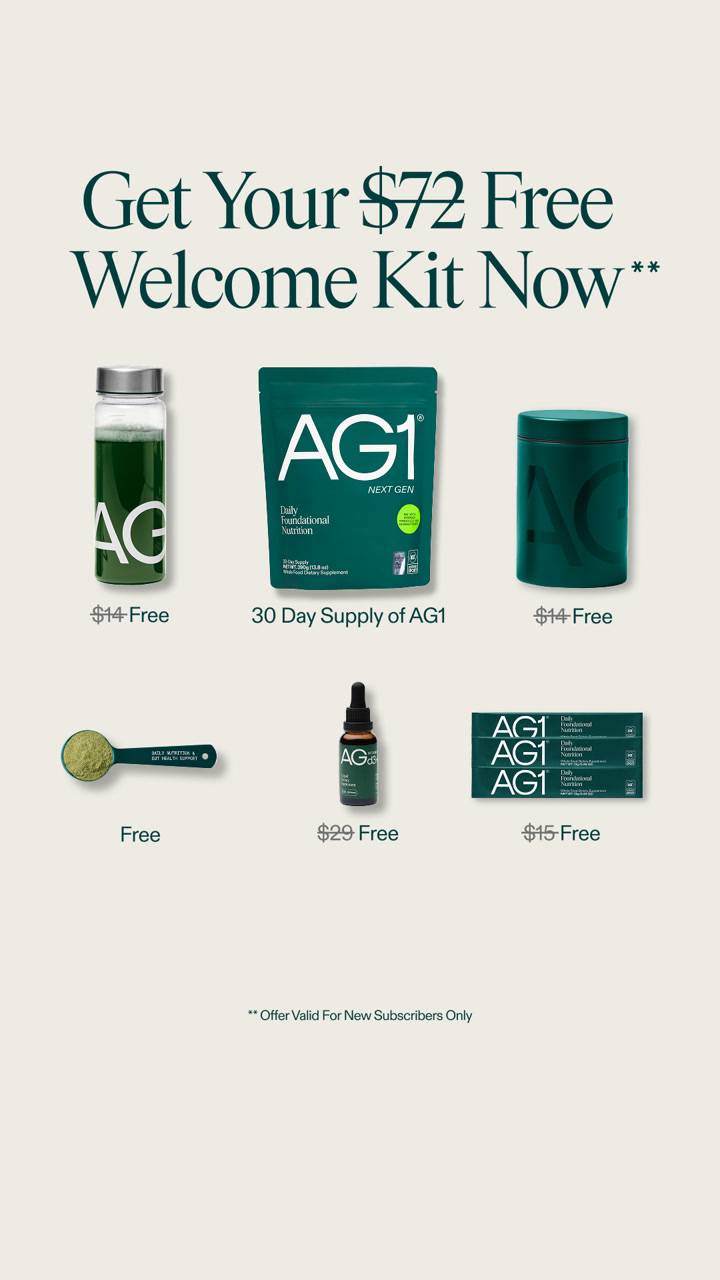

The lesson: run many cheap, single-ad tests with a constant landing page, and give the few winners room to run for months.
Hismile: one concept, many hooks
Hismile shows iteration. Of its 12 most-served active creatives, 10 sent people to its mouthwash pages, and 11 of the 12 started on or after August 12, 2026. The concept stays the same (bad breath), but the hooks keep changing: "If your floss smells like warm parmesan...", "But imagine if your breath stunk." and "How much did you order?".
Its #1 creative started on September 8, 2026 and already runs in 32 ads. Its #2, running since May 2026, runs in 57:
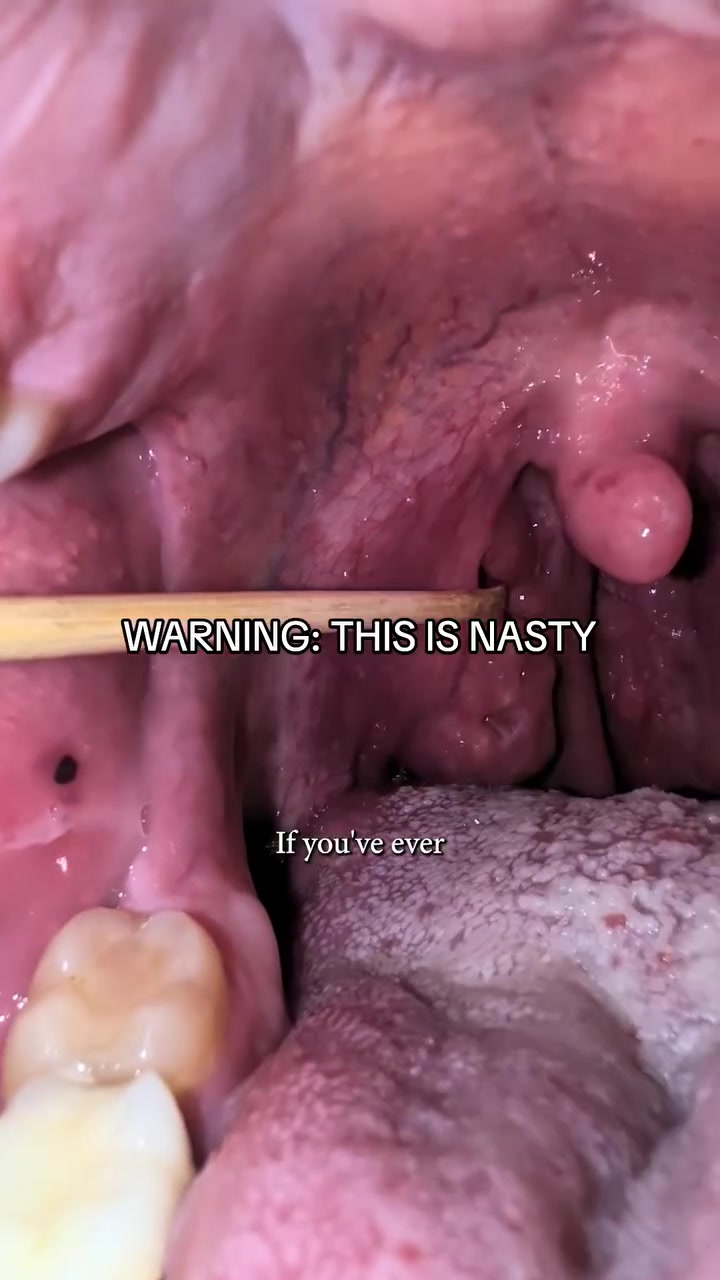

The lesson: once a concept wins, the fastest gains come from testing new hooks on it, and scaling each new winner into many ads quickly.
Magic Mind: keep the winner, test around it
Magic Mind's #1 creative is a podcast-style testimonial video that has run for 591 days in 68 ads. Adspo lists 9 different landing pages behind it, including three versions of a "5 reasons why" page, so the brand keeps testing pages around a creative that already works. Two more of its top 9 creatives (#5 and #9) share the #1's opening line and podcast format, which points to recuts of the winner.
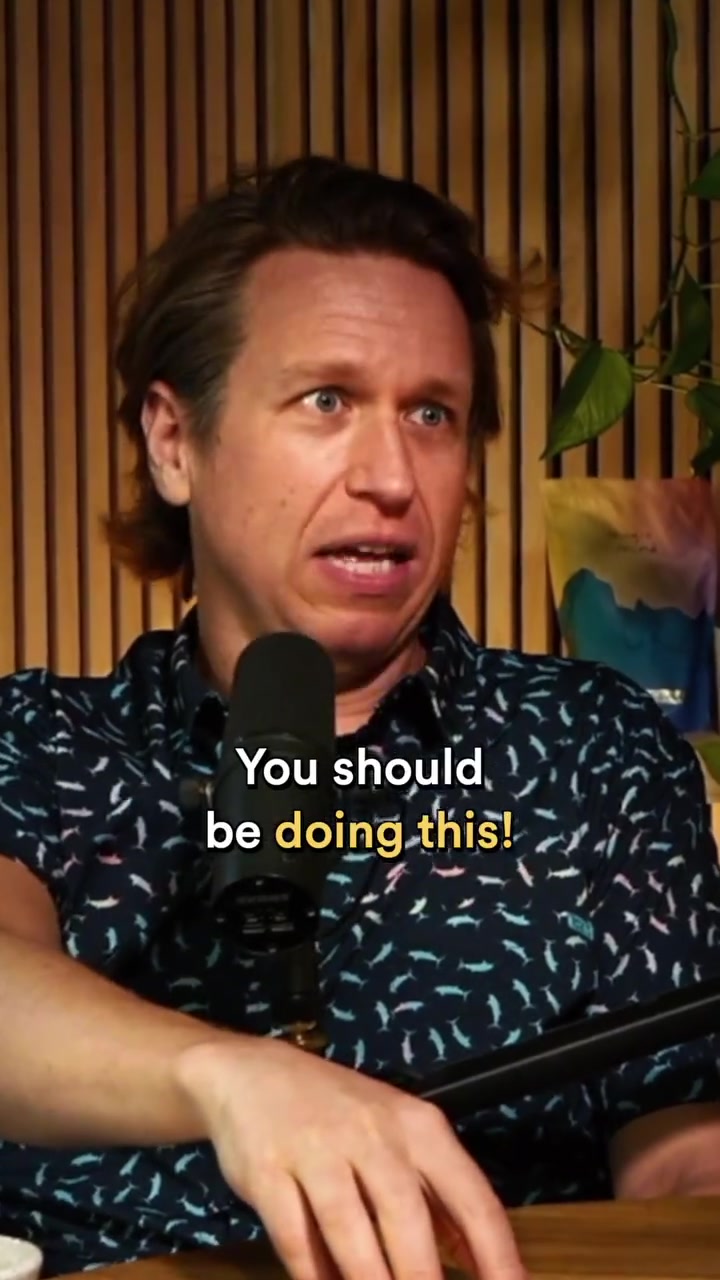

The lesson: a long-running winner is a testing platform. Test landing pages, offers and recuts around it instead of only replacing it.
Mistakes to avoid
- Changing several things at once. If the hook, the creator and the offer all change, you can't tell what won.
- Testing polish before concepts. A new font won't save an angle nobody cares about.
- Calling winners too early. One good day is noise. Stick to the budget and end date you wrote down.
- Letting tests compete with your best ads. New ads rarely win spend against proven winners in the same ad set.
- Killing without learning. A losing test with a written reason is useful. A losing test with no note is wasted money.
- Not reusing winners. The brands above put their best creatives into dozens of ads. A winner in one ad set is only half used.
For examples of creatives brands have kept running for years, see the longest running Facebook ads and our 50 best Facebook ad examples. For the copy side of testing, see our Facebook ad copy examples.
Use Adspo to see how competitors test
The free Meta Ad Library shows a brand's live ads and their start dates, but it doesn't tell you which ones a brand serves most, how many ads reuse a creative or which tests are brand new. That's the information you need to copy a competitor's testing system, not just one ad.
Adspo shows it for 10,000+ verified brands:
- Impression rank within the brand's account, so you can tell a scaled winner from a one-day test.
- Runtime and start date for every creative, so you can sort by longest running or by latest.
- Ad count and variants, so you can see which creatives a brand reuses across many ads.
- Landing pages and countries, so you can see what a brand tests around its winners.
Here's AG1's brand page in Adspo, with its creatives, ads, media mix and creative velocity (screenshot from October 9, 2026):
 AG1's brand page in the Adspo app showing 658 creatives and 1,031 ads, creative velocity, media mix, target countries, landing pages and visual formats
And its active creatives sorted by longest running, which shows the winners that survived AG1's testing:
 AG1's active creatives in the Adspo app sorted by longest running, with runtime badges of 384, 381, 367, 313 and 264 days
Sort the same brand by latest to see this week's tests, and by most impressions to see what it scales. Adspo costs $29/month, or $19/month billed yearly, with a 7-day free trial.
Frequently asked questions
What is a creative testing framework?
A creative testing framework is a repeatable system for deciding which ads to make, how to test them on Meta and what to do with the results. It sets the order of tests (concepts, then hooks, then formats and polish), the budget and time each test gets, the metric that decides a winner, and the rule for scaling, iterating or killing each ad.
What is creative testing in Meta ads?
Creative testing in Meta ads means running new ads against each other, or against your current best ad, to find which concepts, hooks and formats bring the cheapest results. Most teams keep tests in a separate campaign from their scaling campaign, so new ads get a fair share of spend before they compete with proven winners.
How many ads should you test per week?
There's no universal number. It depends on your budget and how many conversions you get, because each test needs enough data to read. Big advertisers test a lot: on October 13 to 15, 2026, Adspo recorded at least 24 new AG1 creatives, 20 of them in a single ad each. Smaller brands do better testing a few distinct concepts properly than many tiny variations badly. See how many ads to test per week for how to size it.
How long should you run a creative test on Meta?
Long enough for each ad to get a fair amount of spend and a meaningful number of conversions, and long enough to cover weekday and weekend behavior. Decide the budget and end date before the test starts, and don't kill an ad on day one unless it's clearly broken.
What metrics should you use to judge a creative test?
Use a ladder: hook rate (how many people watch past the first seconds), hold rate (how many keep watching), click-through rate, then cost per purchase or cost per lead. The early metrics explain why an ad won or lost. The cost per result decides whether it graduates to scaling.
What is the difference between concept testing and iteration testing?
Concept testing compares different ideas: a different angle, buyer or promise. Iteration testing takes a winning concept and changes one thing, like the first line, the creator or the format. Hismile shows both: in October 2026 its most-served ads were many new hooks on one concept, bad breath, all pointing to its mouthwash.
Wrapping it up
A creative testing framework is simple: test concepts before hooks, keep tests apart from scaling, decide the rules before launch, and scale, iterate or kill every ad with a written reason. AG1, Hismile and Magic Mind all follow a version of it: many cheap tests, a few winners, and winners reused in dozens of ads.
Use the template, log every test and study how your competitors test. Try Adspo free for 7 days and sort any brand's ads by latest and by most impressions.