

A talking head ad is a video ad where one person, framed from about the chest up, speaks straight to the camera and carries the whole message. It might be a customer, a creator, a founder or a spokesperson. You've seen hundreds of these talking head ads on Instagram and TikTok: someone on a couch, at a desk or in a car, holding the product and telling you why it's worth it.
Brands use them because a person talking to you reads like a post, not a commercial, and they're cheap to make and easy to test. This post defines the format, separates it from yapper and testimonial ads, shows 10 talking head ads brands are still running (with data from Adspo pulled on November 5, 2026), and gives you a script and filming steps you can use this week.
What is a talking head ad?
A talking head ad puts one person on screen, looking into the lens, talking to the viewer. The name comes from TV, where a "talking head" is a presenter or expert framed from the shoulders up. In social ads it means the same thing, shot vertically on a phone.
What you'll usually see:
- One speaker, framed from the chest or shoulders up, eyes on the lens.
- A real place: a kitchen, a desk, a couch, a car, a gym.
- Burned-in captions, because most people watch with the sound off.
- The product in hand or nearby, often held up to the camera.
- Optional cutaways: a quick product shot, a demo, a screen recording or a text card, then back to the face.
- Length from about 15 seconds to 2 minutes, depending on how much the speaker has to say.
The test is simple: if you muted the video and removed the captions, would the ad still make sense? If not, and the person talking is what makes it work, it's a talking head ad.
Talking head ads vs yapper and testimonial ads
These three overlap, and the labels get used loosely. Here's how they differ:
| Talking head ad | Yapper ad | Testimonial ad | |
|---|---|---|---|
| Who's on camera | Anyone: customer, creator, founder, expert, actor | Usually a creator or customer | A customer (real or creator playing one) |
| Cuts | Allowed: product shots, demos, screens | None: one continuous take | Often edited, with B-roll and reviews |
| Length | 15 seconds to 2 minutes | Usually 45 seconds or more | Any |
| What carries it | The person talking | The person talking, nonstop | The customer's result |
A yapper ad is a talking head ad with the cuts taken out: one long, unbroken take. A testimonial ad is defined by who's speaking (a customer) and what they say (their result), and many testimonials are filmed as talking heads. A talking head ad is defined by the framing. That's why a founder story, a creator review and a scripted spokesperson ad can all be talking heads.
Talking heads are also the backbone of most UGC ads, which covers the wider family of creator-style content.
Why brands use talking head ads
They look like content, not ads. A person talking to camera is what people already watch on Instagram and TikTok all day. It earns a second of attention before the viewer decides it's an ad.
They're cheap to make and easy to test. You need a phone, a person and a quiet room. That makes it practical to film five hooks for the same message and let the data pick the winner.
A face builds trust faster than a product shot. Hearing someone explain why they use something, in their own words, does work that a polished render can't. Brands keep these running a long time: the 10 examples in this post have run for a median of 277 days.
They work in any category. The examples below cover skincare, fitness, deodorant, a services marketplace, protein powder, a coffee alternative, beer, software and shoes. If your product needs explaining, a talking head can explain it.
10 talking head ad examples from real brands
How these were picked: we filtered Adspo's Discover feed to the Talking Head format and active video ads, sorted by longest running, then pulled a second set limited to creatives ranked in the top 10 of their own brand's account. We checked frames from start to finish and the full transcript of each, and kept ads where one person speaking to camera carries the ad. One ad per brand, across 9 categories, ordered by runtime. Data pulled from Adspo on November 5, 2026. Impression rank is the ad's position among that brand's own creatives, where #1 is the most served.
1. Blume: a founder story into a podcast mic
One of the brand's founders sits behind a podcast mic and tells the story of how she and her sister came to create the brand's acne line, in one long take with captions.
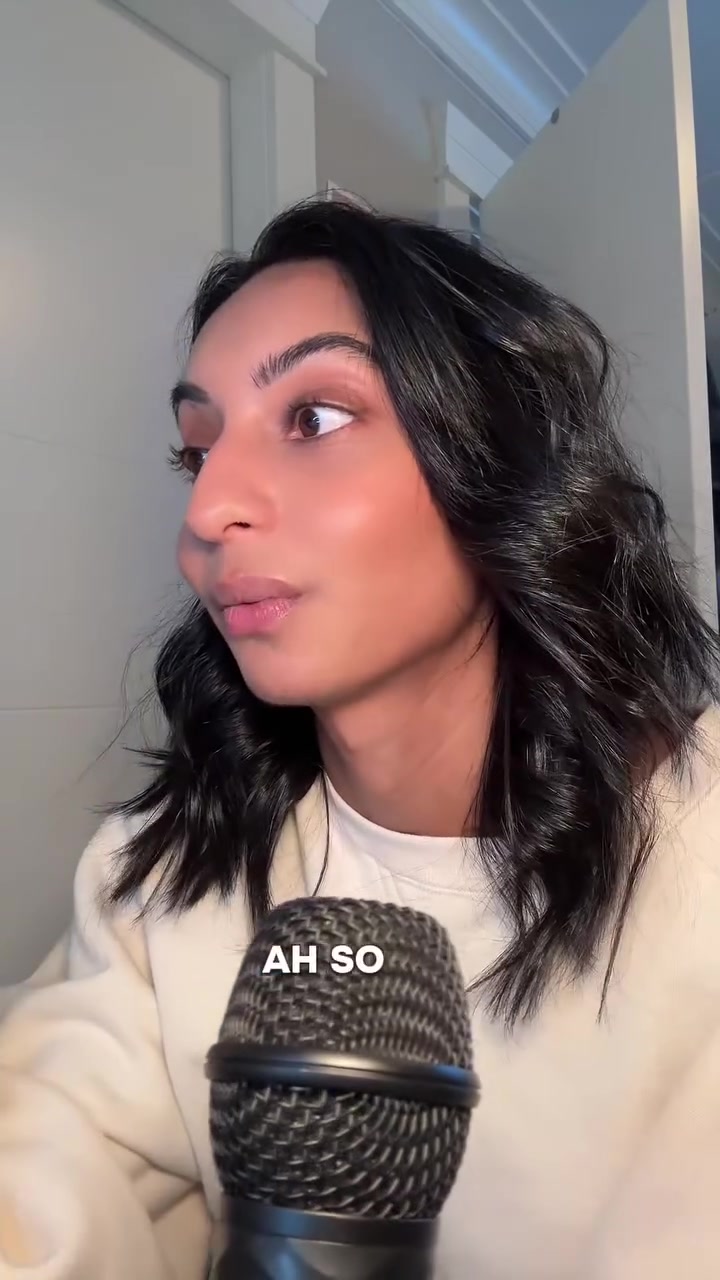

Ad data:
- Running for: 623 days (since February 2025), still active
- Impression rank: #54 of Blume's creatives
- Format: Video: talking head, customer testimonial, about 1 minute 37 seconds
The hook: "So we, my sister and me, we suffered so badly from spots, blemishes, acne from like 11 to 24 years old."
What makes it a good talking head ad: It's the founder story told by the founder, with nothing in the frame but her and a mic. The structure is classic: the problem they lived with, what didn't work, the discovery, then the product and a money-back guarantee at the end. It's the longest-running example in this post.
Steal this: If your brand has an origin story, let the person who lived it tell it straight to camera.
2. Pvolve: three reasons from an armchair
A woman sits in an orange armchair holding a resistance band and gives three reasons to buy it in about 30 seconds.
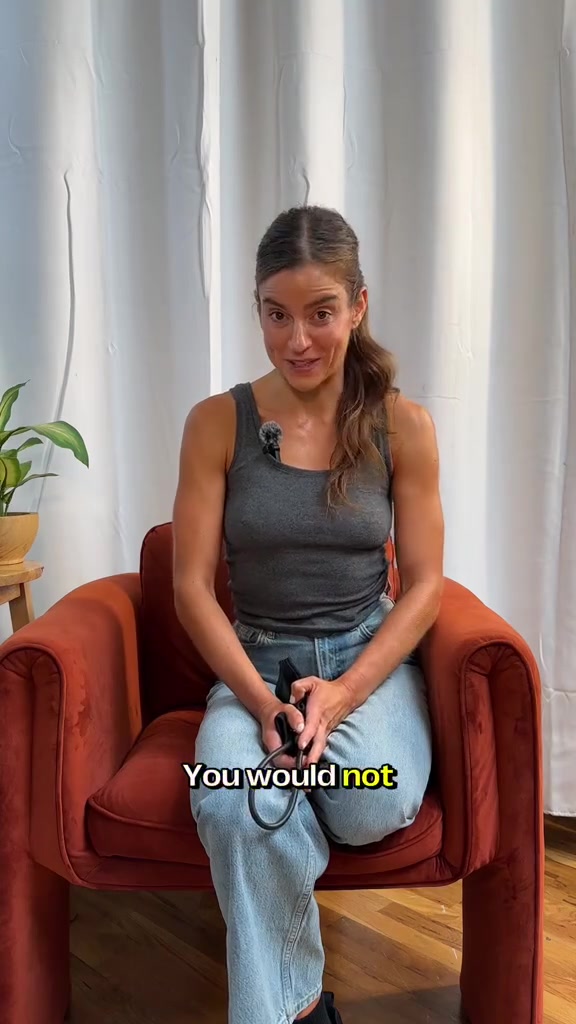

Ad data:
- Running for: 586 days (since March 2025), still active
- Impression rank: #64 of Pvolve's creatives, used in 5 ads
- Format: Video: talking head, customer testimonial, about 32 seconds
The hook: "You would not believe how many compliments I get on my arms and it's one piece of equipment."
What makes it a good talking head ad: The hook is a result, not a product name, and the product only shows up in the second line. Then it's a numbered list: effective, small enough to carry, 10 to 15 minutes. Numbered points give a short talking head a shape the viewer can follow.
Steal this: Open on the result, name the product second, then give exactly three reasons.
3. Wild: the 24-hour test
A creator puts a refillable deodorant through a gym session and reports back from her car, talking to camera the whole way.
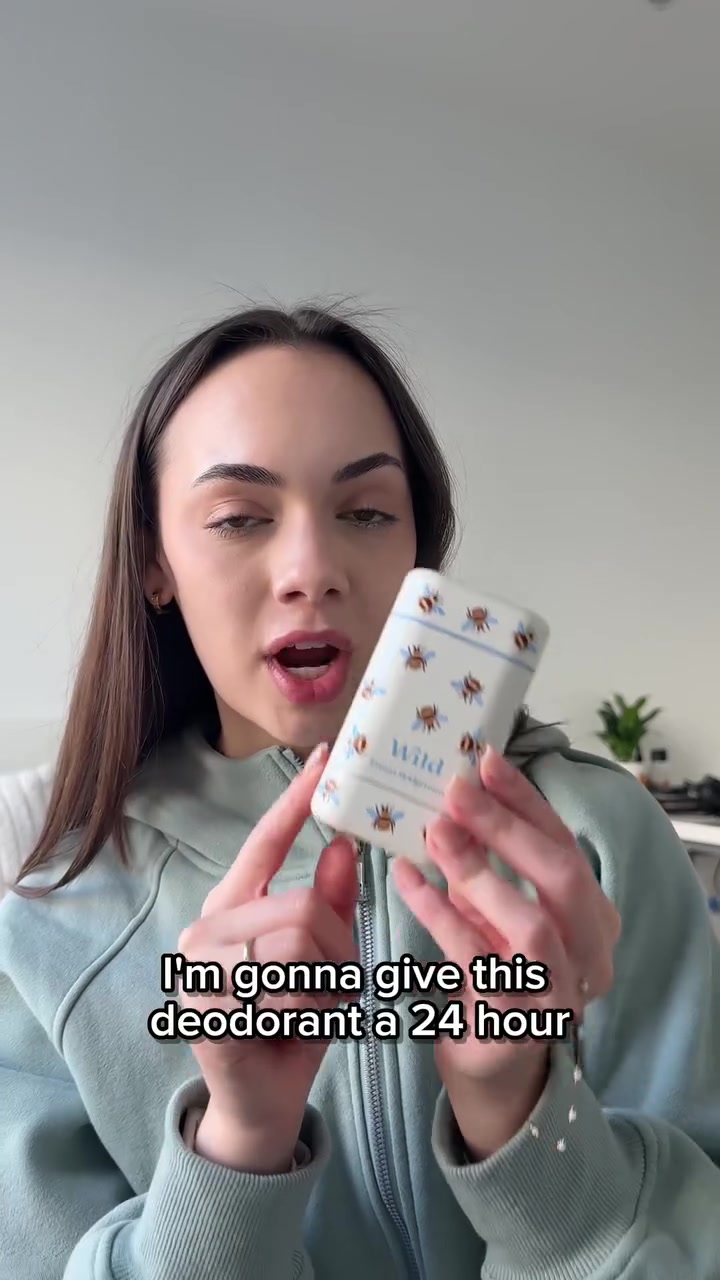

Ad data:
- Running for: 544 days (since May 2025), still active
- Impression rank: #204 of Wild's creatives, used in 9 ads
- Format: Video: talking head, reaction, about 55 seconds
The hook: "I'm going to give this deodorant a 24-hour no chi armpit test." (as transcribed)
What makes it a good talking head ad: It turns a talking head into a mini story with a cliffhanger: will it hold up after the gym? The setting changes (home, gym, car) but the shot is always her face, talking to you. She even calls out the skepticism up front: her feed is "filled of overhyped product ads".
Steal this: Frame the ad as a test with a "moment of truth" and film the before and after as two talking head scenes.
4. Bark.com: a 20-second customer story
A man tells how he found a DJ for his event through Bark, with quick cuts to the DJ and the Bark sign-up screens.
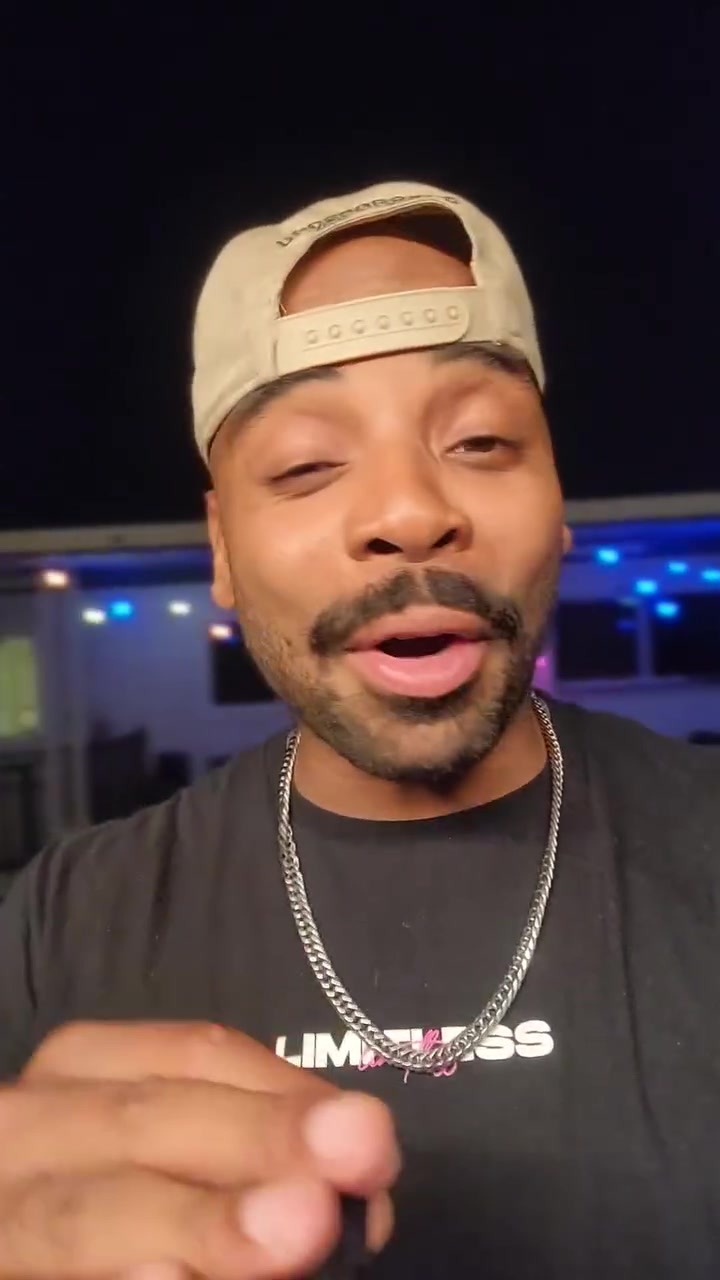

Ad data:
- Running for: 488 days (since July 2025), still active
- Impression rank: #21 of Bark.com's creatives, used in 3 ads
- Format: Video: talking head, customer testimonial, about 21 seconds
The hook: "A DJ that brings the party without breaking the budget."
What makes it a good talking head ad: It proves a talking head can be fast. The whole story fits in 20 seconds: the problem (he didn't want to spend $1,000), the process (matched with five pros), the result ($400). The cutaways to the sign-up flow show how easy it is without the speaker having to explain it.
Steal this: For a service, let the speaker tell the story and cut to the app screens for the "how".
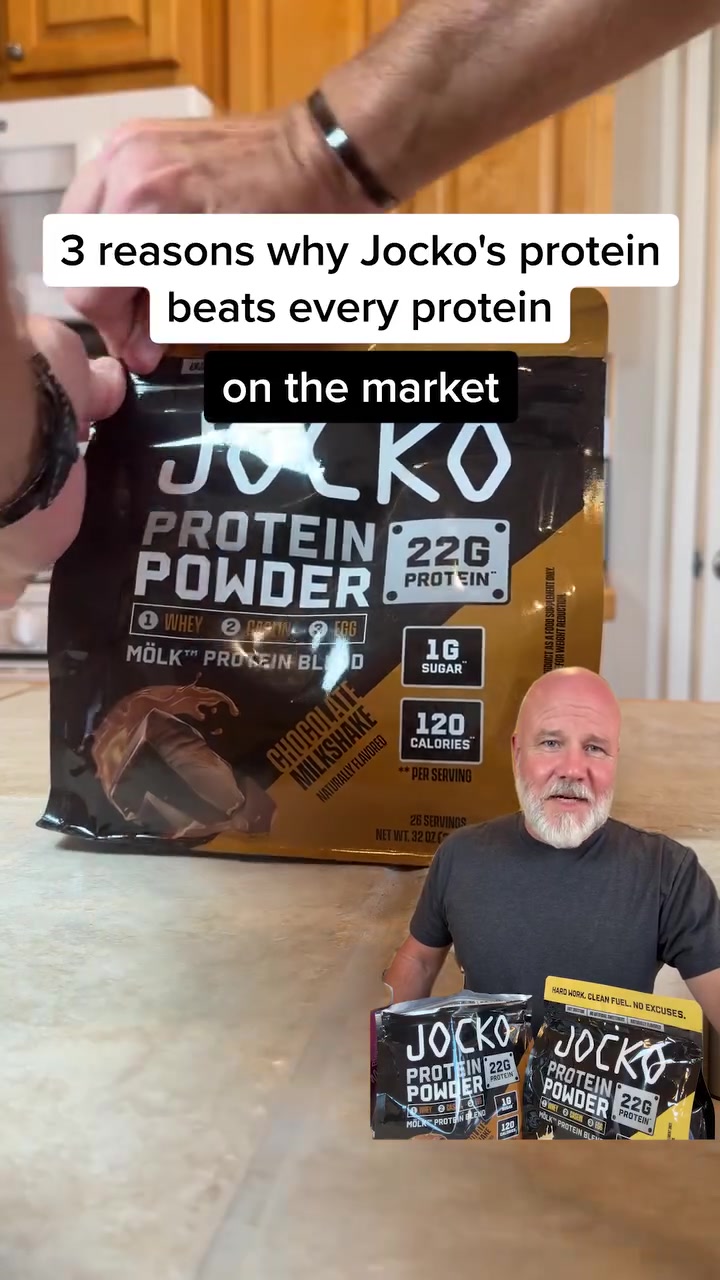
5. JOCKO FUEL: three reasons at the kitchen counter
A spokesman stands behind a counter stacked with protein tubs and gives three reasons the product beats the rest, with props and text cards between points.

Ad data:
- Running for: 309 days (since December 2025), still active
- Impression rank: #3 of JOCKO FUEL's creatives
- Format: Video: talking head, us vs them, about 2 minutes 7 seconds
The hook: a promise of three reasons this protein beats every other one on the market.
What makes it a good talking head ad: It's the longest example here, and it holds up because the structure is obvious: "Reason number one", "Reason number two", "Reason number three", each with a text card. The props (cash going down a toilet, a rival tub held over it) break up two minutes of talking without losing the speaker. It's the third most-served creative in the account.
Steal this: If you need a long talking head, number the points out loud and put each one on a text card.
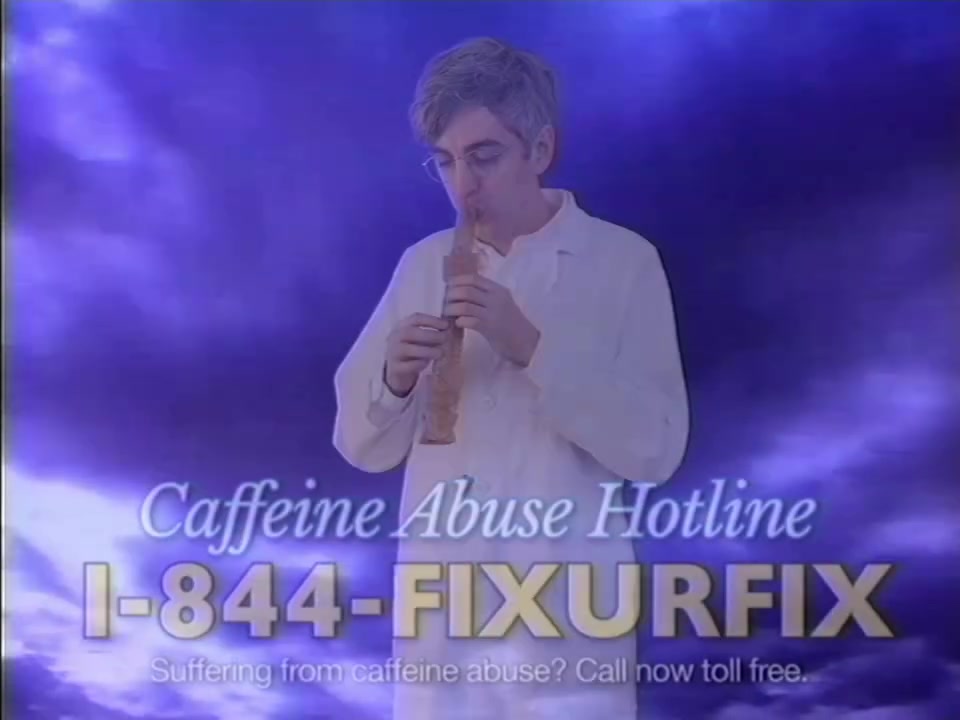
6. MUD\WTR: a character, not a customer
A spokesman in a white shirt plays a "pharmacological advisor" running a hotline for over-caffeinated people, against cheesy stock backdrops.

Ad data:
- Running for: 245 days (since March 2026), still active
- Impression rank: #3 of MUD\WTR's creatives, used in 21 ads
- Format: Video: talking head, about 54 seconds
The hook: "Hello, my sweet little bee."
What makes it a good talking head ad: It borrows the look of a late-night infomercial and plays it for laughs, so the talking head becomes a character bit. The speaker introduces himself as Hamilton Morris, "your pharmacological advisor", and the ad ends on a fake hotline number. It's MUD\WTR's third most-served creative and runs in 21 ads.
Steal this: If your category is full of earnest testimonials, a deadpan character talking to camera stands out.
7. Hawkstone: a question from off camera
A man holding a pint answers an off-camera question about what he's drinking, outdoors at a busy event.


Ad data:
- Running for: 236 days (since March 2026), still active
- Impression rank: #6 of Hawkstone's creatives, used in 10 ads across 10 European countries
- Format: Video: talking head, reaction, about 25 seconds
The hook: "What is that you're drinking?"
What makes it a good talking head ad: The off-camera question gives the speaker something to react to, which feels more natural than a pitch. He cites an award the beer won, according to the ad, and then undercuts his own pitch ("I know I'm supposed to act surprised, but I'm not"). Short, dry and personal.
Steal this: Have someone off camera ask one question, and film the answer.
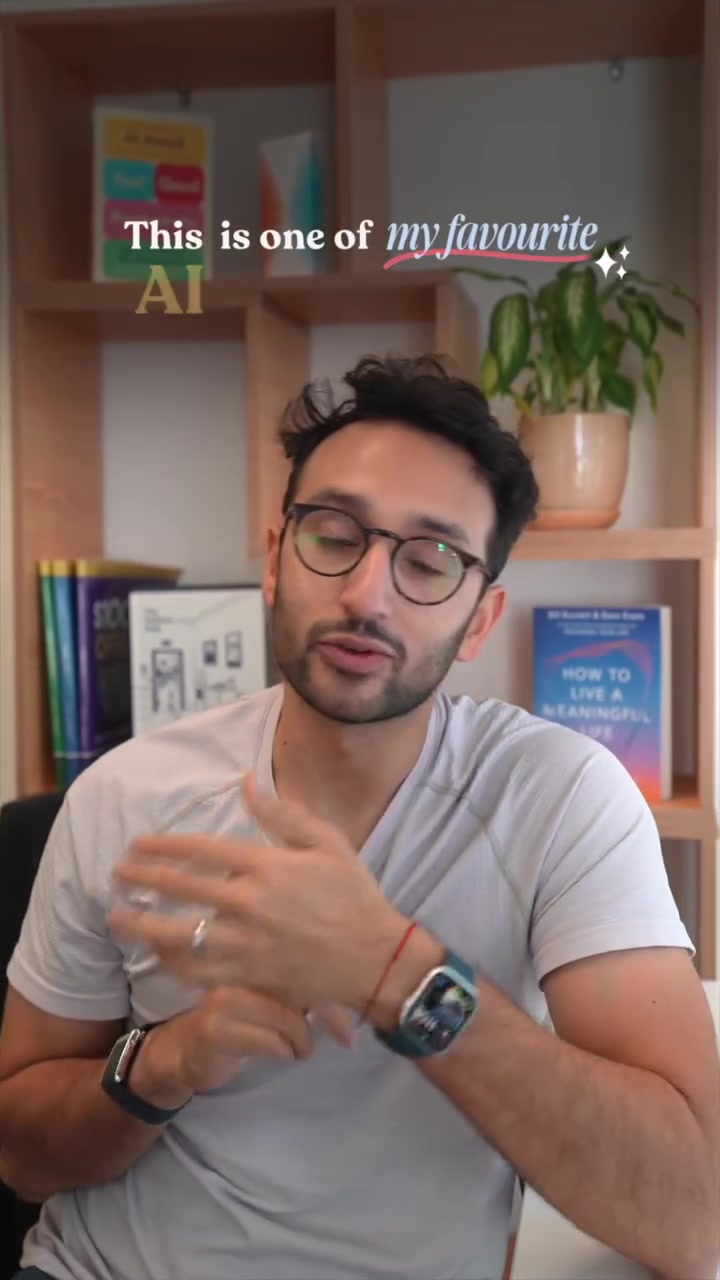
8. Wispr Flow: a creator's tool recommendation
A creator at his desk explains a voice-to-text app he uses, with on-screen graphics for each feature and a code at the end.

Ad data:
- Running for: 222 days (since March 2026), still active
- Impression rank: #9 of Wispr Flow's creatives, used in 12 ads across 15+ countries
- Format: Video: talking head, customer testimonial, about 58 seconds
The hook: "All right, this is one of my favourite AI productivity apps."
What makes it a good talking head ad: It's a creator's recommendation in the creator's own voice and setting, so it lands like one of his videos. Each feature gets a graphic ("backtrack feature") while he keeps talking, and it ends with a personal URL and code, which makes the recommendation feel personal.
Steal this: For software, let a creator explain how they use it, and put each feature on screen as they mention it.
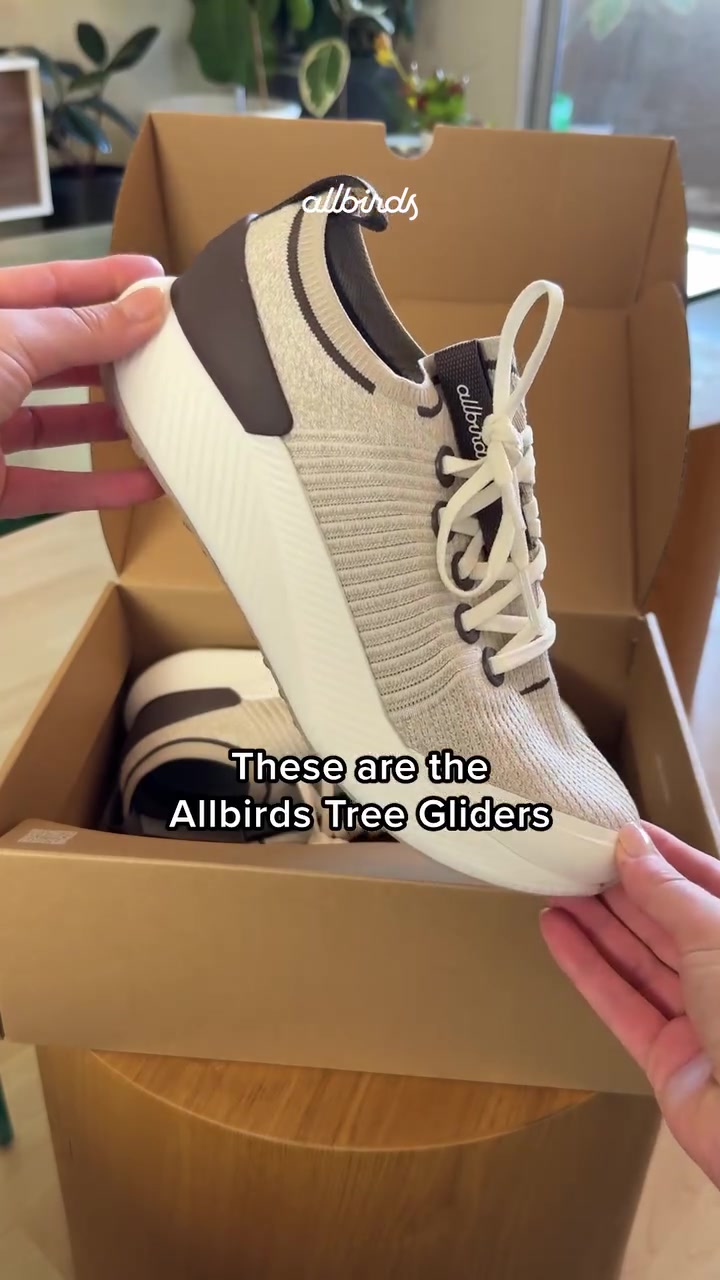
9. Allbirds: 14 seconds and a shoe
A woman holds up a pair of shoes and gives three quick reasons she likes them. That's the whole ad.

Ad data:
- Running for: 208 days (since April 2026), still active
- Impression rank: #1 in Allbirds' own account
- Format: Video: talking head, customer testimonial, about 14 seconds
The hook: "These are the Allbirds tree gliders."
What makes it a good talking head ad: It's the shortest example here and the most-served creative in Allbirds' account. The product is in her hand from the first frame, and she covers materials, washability and styling in 14 seconds. Not every talking head needs a story.
Steal this: Product in hand, name it in the first line, three benefits, done.
10. Littlebird: "I'm kind of mad nobody told me sooner"
A man at his desk talks about an AI assistant that works in the background, with a quick cutaway to the daily recap it sends.
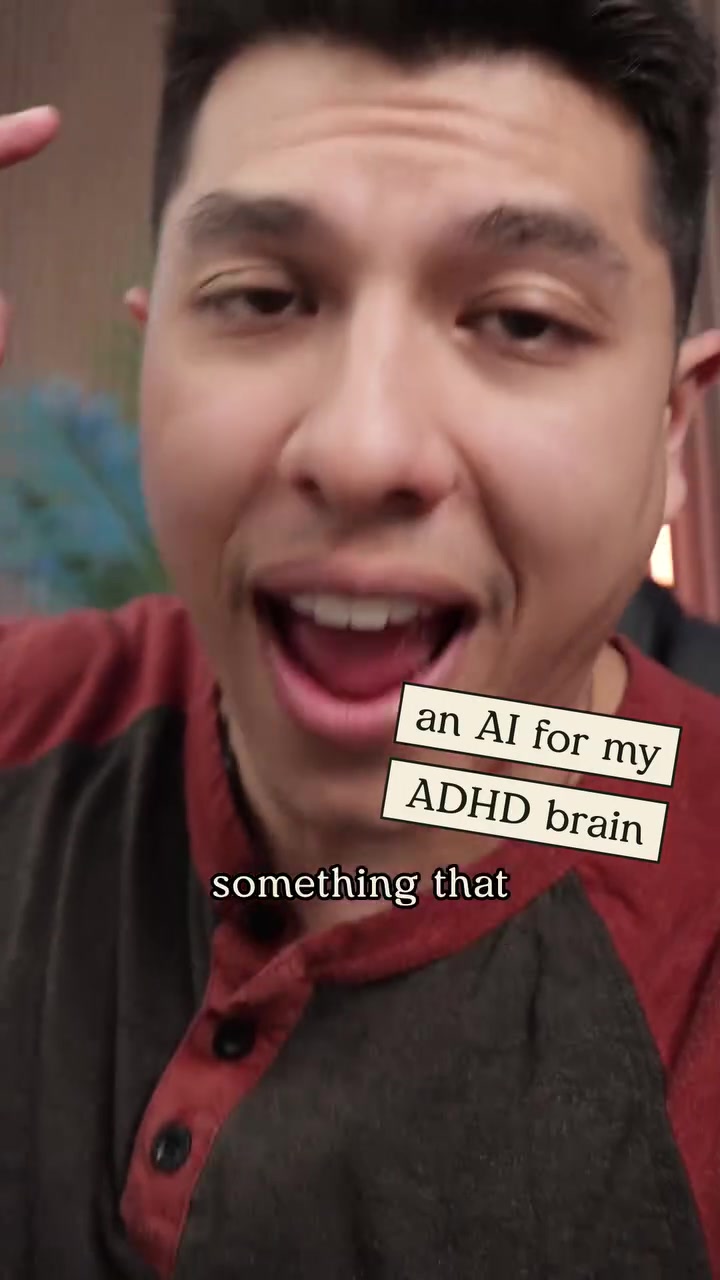

Ad data:
- Running for: 205 days (since April 2026), still active
- Impression rank: #1 of Littlebird's creatives, used in 34 ads
- Format: Video: talking head, customer testimonial, about 62 seconds
The hook: "I found something that actually works with my brain instead of against it and I'm kind of mad nobody told me sooner."
What makes it a good talking head ad: The hook is a feeling, not a feature, and it's one plenty of people share. Then it follows the testimonial arc: what he tried before, what's different now, a concrete example (the end-of-day recap), and a line on data privacy. It's Littlebird's most-served creative and it runs in 34 ads.
Steal this: Open with how the product makes you feel, then prove it with one specific moment.
How to make a talking head ad: step by step
Step 1: Pick who's on camera
Decide whose voice fits the message. A customer for proof (Pvolve, Littlebird), a founder for the origin story (Blume), a creator for a recommendation (Wispr Flow), a character for humor (MUD\WTR). Pick someone who can talk naturally; delivery matters more than looks.
Step 2: Set up the shot
Phone vertical, at eye level, face in the top third of the frame. Face a window for soft light. Use a clip-on mic if you have one; bad audio kills a talking head faster than bad video. Keep the background real but tidy.
Step 3: Write the hook first, then three points
Write five versions of the first line and film all of them. Look at the examples: a result (Pvolve), a confession (Littlebird), a question (Hawkstone), a test (Wild). Then give the speaker three points to hit, not a script to read.
Step 4: Film it in short takes
Unless you're making a yapper, you don't need one take. Film each point separately so you can cut the best version of each. Have the speaker hold the product up when they mention it.
Step 5: Add captions and one or two cutaways
Burn in captions. Add a quick cutaway where words aren't enough: the product in use, a screen recording, a text card for each point. Then get back to the face.
Step 6: Test hooks before scripts
Launch the same body with three to five different hooks. The hook decides whether anyone watches the rest, so it's the cheapest thing to test. Our guide to ad hook examples has more openers to try.
Talking head ad script template
Copy this, fill in the brackets and give it to your speaker as talking points, not lines to read.
TALKING HEAD AD SCRIPT
15 to 60s, vertical, one speaker

0-3s   HOOK (film 3 to 5 versions)
A) Result: "You wouldn't believe
   [result] from [product]."
B) Confession: "I'm kind of mad
   nobody told me about [product]."
C) Question: "Is [product] actually
   worth it?"
Text: [5 to 7 word headline]

3-10s  THE PROBLEM
"I used to [problem / old way]."
Optional cutaway: the old way.

10-40s THREE POINTS
"One, [benefit].
Two, [benefit].
Three, [benefit]."
Product in hand. Text card
per point.

40-55s PROOF
One specific moment, number
or before and after.
Optional cutaway: product in use.

55-60s CALL TO ACTION
"If you [problem], [next step]."
Text: [offer or product name]

Rules: eyes on the lens, captions
on, back to the face after every
cutaway.
Common mistakes
- A slow first line. "Hey guys, so today I want to talk about..." loses people before the point. Open on the result, the question or the confession.
- Reading a script. Viewers can tell when someone's reading. Give the speaker points and let them say it their way.
- Bad audio. People forgive a phone camera. They don't forgive echo or wind noise. Use a mic and a quiet room.
- Too many cutaways. If the B-roll takes over, it's a demo with a voiceover, not a talking head. The face should be on screen most of the time.
- No captions. Most people watch with the sound off. Without captions the speaker is just moving their mouth.
- Claims the speaker can't make. Health, weight loss and income claims still have to follow Meta's ad policies, even in a casual voice.
Find talking head ad examples with Adspo
The Meta Ad Library shows any brand's ads, but it can't filter by format, so finding talking head ads means scrolling brand by brand (here's how to use the Facebook Ad Library if you want to try).
 Adspo's Discover feed filtered to the Talking Head format and active ads, sorted by longest running, with runtime badges of 735, 623, 586, 559 and 552 days and video lengths from 0:15 to 1:37
In the Adspo Discover feed you can add a Visual format filter, pick Talking Head, and sort by longest running to see the talking head ads brands have kept paying for, across 10,000+ verified brands. The top of the grid today runs from 735 days down. Each creative shows its runtime, its impression rank within the brand's own account, the hook and the full transcript, so you can study how the speaker talks, not just the thumbnail. Save the ones you like to a board and send it to your creators as a brief. For more ideas, see our Facebook ad examples.
Adspo costs $29 a month, or $19 a month billed yearly, with a 7-day free trial.
Frequently asked questions
What is a talking head ad?
A talking head ad is a video ad where one person, framed from about the chest up, speaks straight to the camera and carries the message. They might hold the product, and the edit can cut to a quick demo or screen recording, but the face and the voice do the work. Most are filmed vertically on a phone with captions.
What is talking head advertising?
Talking head advertising is the use of a person speaking to camera as the core of an ad: a customer, creator, founder, expert or spokesperson explaining a product in their own words. On Meta and TikTok it's one of the most common video styles, because it feels like a post from a person rather than a commercial.
How do you do a talking head video?
Put one person in a quiet, well-lit spot, with the phone at eye level and their face in the top third of the frame. Give them a hook and three points rather than a word-for-word script, film the hook several ways, then add captions and one or two cutaways to the product. Keep the first line under 5 seconds.
How long should a talking head ad be?
As long as the message needs. The 10 examples in this post run from 14 seconds (Allbirds) to just over 2 minutes (JOCKO FUEL), with a median of about 55 seconds. Short ones make one point; long ones tell a story or work through a list of reasons.
What's the difference between a talking head ad and a yapper ad?
A yapper ad is a type of talking head ad: one person talking in a single long, unbroken take, usually 45 seconds or more, with no cutaways. A talking head ad can be any length and can cut to product shots, demos or screen recordings, as long as the person on camera carries it.
Where can I find talking head ad examples?
The free Meta Ad Library shows any brand's ads but can't filter by format. In Adspo you can open Discover, add a Visual format filter for Talking Head and sort by longest running to see the talking head ads brands have kept paying for, with runtime, impression rank and the full transcript.
Wrapping it up
A talking head ad is one person on camera, talking to the viewer, carrying the message. The 10 examples above have run for a median of 277 days, from a 14-second shoe ad to a 2-minute list of reasons. Pick the right speaker, nail the first line, give them three points and test the hook.
Try Adspo free for 7 days and filter any brand's ads to talking heads.